
- Ninja Foodi Pressure Cooker (6.5 qt or 8 qt)
- Mixing/Chopping Tool or Wooden Spoon
- Measuring Cups and Spoons
- Cheese Grater or Microplane
- Cutting Board and Sharp Knife
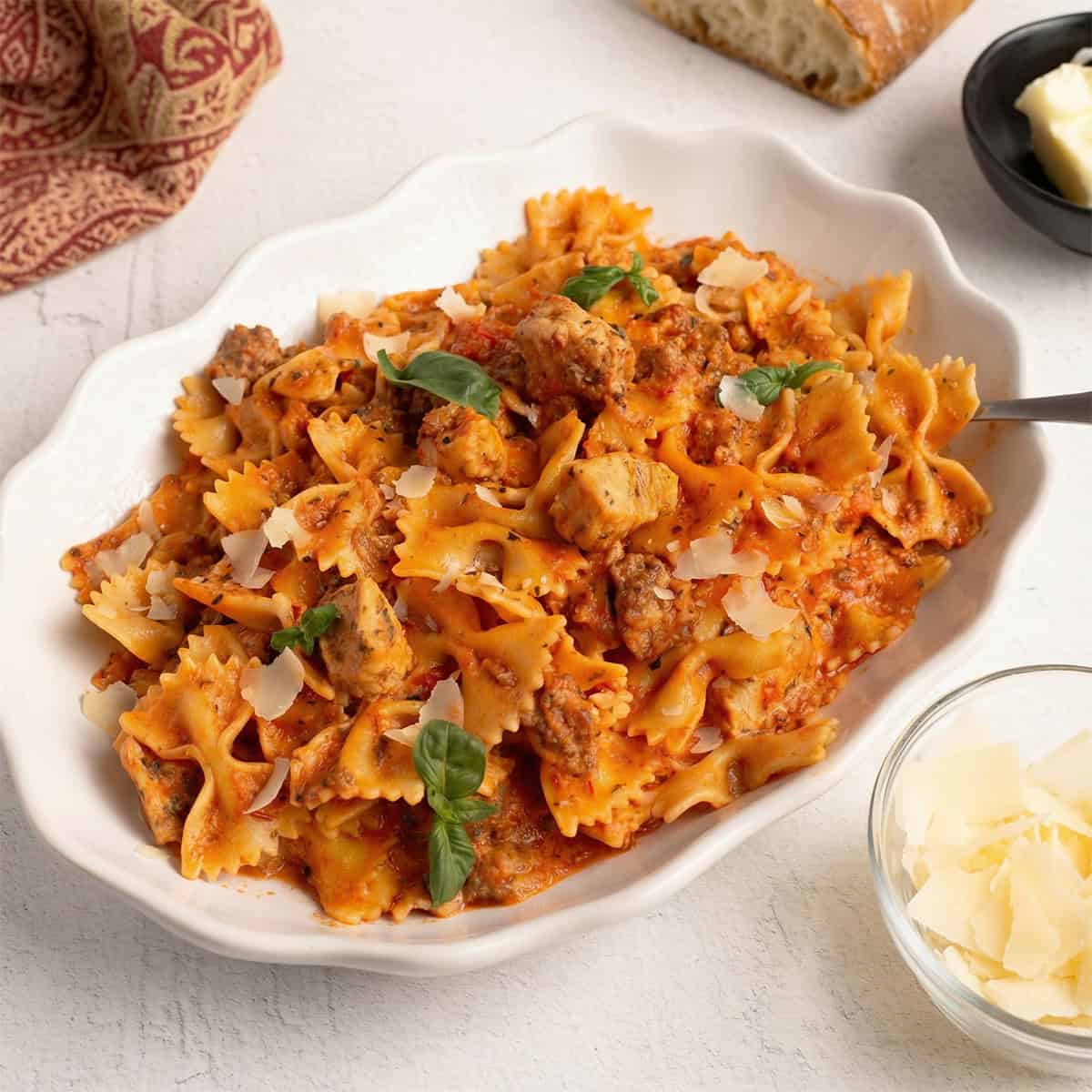
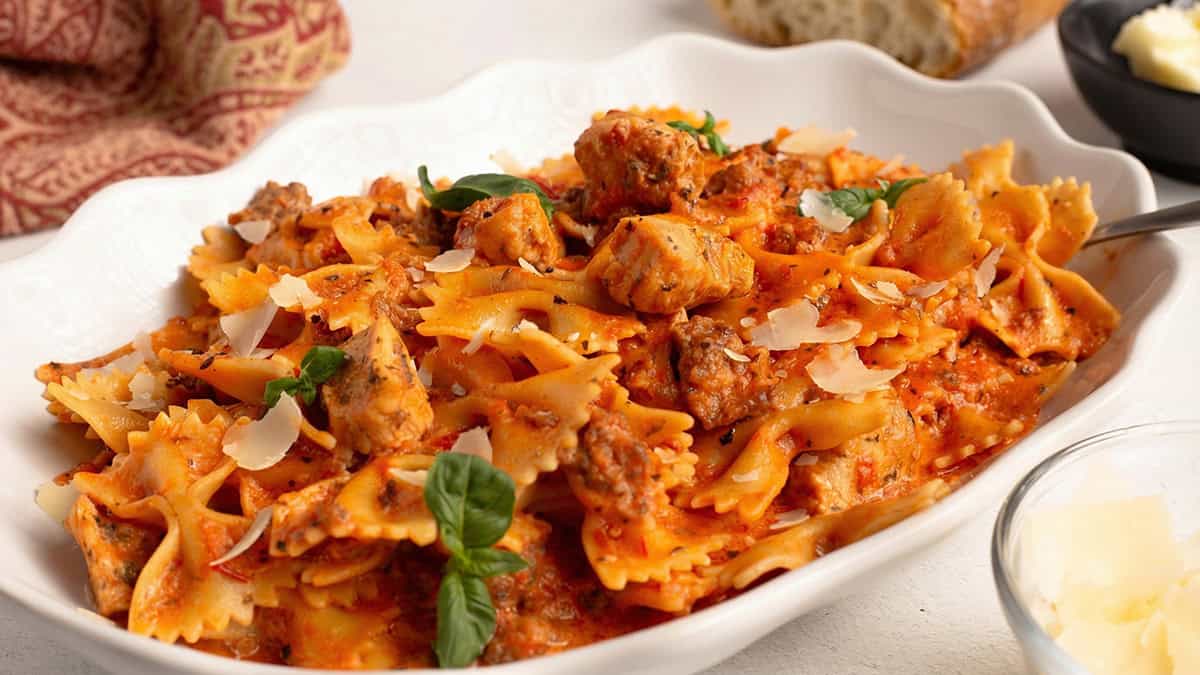
One pot, less than 30 minutes, and you are going to have one of the best pasta dishes you've ever tasted. This Parma Rosa Pasta with Chicken and Sausage is a creamy, tomato-based pasta dish loaded with Italian sausage, tender chicken, and a velvety Parma Rosa sauce that comes together right in your pressure cooker. It's the kind of pasta dish that will have Italian food lovers coming back for seconds.
If you're looking for quick dinners that taste like you spent hours at the stove, this sausage pasta is exactly what you need. A rich pink sauce made with crushed tomatoes, heavy cream, and parmesan cheese coats every piece of bow tie pasta, and the combination of Italian sausage and boneless skinless chicken breast means every bite is loaded with flavor. This is one of those one-pot pasta recipes that's perfect for busy weeknights but impressive enough for the dinner table any night of the week.
Would you like to save this recipe?
I first made this as a Tasty Tuesday throw-together, and it was so good that we ate every bit over the next couple of days, and then I went right back into testing it again. I don't normally do that. This is a great recipe that will absolutely earn a spot in your regular rotation.
Suggested Kitchen Tools for Parma Rosa Pasta
- Ninja Foodi Pressure Cooker (6.5 qt or 8 qt)
- Mixing/Chopping Tool or Wooden Spoon
- Measuring Cups and Spoons
- Cheese Grater or Microplane
- Cutting Board and Sharp Knife
Ingredients & Substitutions
This Parma Rosa Pasta with Chicken and Sausage uses super simple ingredients that you can find at any grocery store. The combination of Italian sausage, chicken, and a creamy tomato sauce makes this pasta dish a hit every single time.
Olive Oil
Used in Recipe: A drizzle of oil to start the sear/sauté process in the pressure cooker.
What it Does: The olive oil heats up to create a hot cooking surface for browning the sausage and building flavor. It prevents sticking and helps develop those delicious caramelized bits on the bottom of the pot.
Substitutions: Any neutral cooking oil such as avocado oil or vegetable oil will work. Butter can also be used but may brown faster at high heat.
Italian Sausage
Used in Recipe: Italian-style mild sausage with the casing removed for easy breaking apart during cooking.
What it Does: The sausage is the flavor backbone of this dish. It releases seasoned fat and juices into the sauce, adding depth and richness to the entire pasta dish. Breaking it up from the casing creates the perfect texture throughout the sauce.
Substitutions: You can use sweet Italian sausage, hot Italian sausage, spicy sausage, andouille sausage, or pork sausage. Chicken sausage or turkey sausage work for a lighter option. If you prefer chunks, leave the casing on and slice into rounds. You can also omit the sausage and use all chicken, but you will want to increase your seasonings.
Boneless Skinless Chicken Breast
Used in Recipe: Chicken breast cubed into bite-sized pieces that cook perfectly under pressure.
What it Does: The chicken adds lean protein and bulk to this pasta dish. The cubed pieces absorb the seasoning blend and cook tender in the pressure cooker, giving you a hearty, satisfying meal.
Substitutions: Boneless skinless chicken thighs are a great swap . Leftover chicken or rotisserie chicken can also be used. Just add it after pressure cooking when you stir in the cream and cheese.
Seasoning Blend
Used in Recipe: A blend of sea salt, black pepper, dried basil, oregano, rosemary, and thyme leaves.
What it Does: This Italian-inspired seasoning blend flavors both the chicken and the entire pasta dish. The herbs build layers of flavor throughout the cooking process. Half goes on the chicken during sautéing and the rest gets added on top before pressure cooking.
Substitutions: Italian seasoning blend (about 1 tablespoon) can be substituted for the individual herbs. Adjust salt to taste. Fresh herbs can be used in place of dried, but use about three times the amount.
Sweet Onion
Used in Recipe: Diced sweet onion
What it Does: The onion adds sweetness and aromatic depth to the sauce. It softens during pressure cooking and becomes part of the overall sauce, giving it body and flavor.
Substitutions: Yellow onion or white onion will work fine. You can also use a shallot for a milder flavor. For convenience, frozen diced onion is an option.
Garlic
Used in Recipe: Freshly minced garlic added after the sausage has finished browning.
What it Does: It infuses the sauce with that unmistakable Italian flavor. Adding it after the sausage is done browning prevents it from burning and turning bitter.
Substitutions: Jarred minced garlic can be used in a pinch. Garlic powder (about 1 teaspoon) can be substituted, but the flavor won't be quite as fresh.
Chicken Stock
Used in Recipe: Chicken stock is the liquid base for pressure cooking the pasta.
What it Does: The stock provides the liquid needed for the pressure cooker to come to pressure and for the pasta to cook. It also adds a savory, rich flavor to the overall dish that water simply can't provide. It helps deglaze the pot, loosening any flavorful bits from the bottom.
Substitutions: Chicken broth works perfectly fine. A stock concentrate dissolved in water is another option. For a richer flavor, use bone broth. Vegetable broth works for a non-poultry option.
Bow Tie Pasta (Farfalle)
Used in Recipe: Dry bow tie pasta added directly to the pot before pressure cooking.
What it Does: The pasta cooks perfectly al dente in just two minutes under pressure. The bow tie shape holds the creamy Parma Rosa sauce beautifully in every fold and pocket.
Substitutions: Penne pasta is a great alternative, but increase the pressure cook time to 3-4 minutes. Other short pasta shapes like rotini, rigatoni, or cavatappi will also work. Adjust timing based on the pasta thickness.
Crushed Tomatoes
Used in Recipe: Canned crushed tomatoes layered on top of the pasta before pressure cooking.
What it Does: The crushed tomatoes form the tomato base of the Parma Rosa sauce. They add acidity, sweetness, and that gorgeous color. Layering them on top (without stirring) prevents the thicker liquid from scorching on the bottom of the pot.
Substitutions: Tomato sauce can be used in place of crushed tomatoes for a smoother sauce. Diced tomatoes will give a chunkier texture. In a pinch, spaghetti sauce can work but may alter the flavor profile.
Tomato Paste
Used in Recipe: A small amount of tomato paste added on top of the crushed tomatoes before pressure cooking.
What it Does: Tomato paste is concentrated tomato flavor. It deepens the color of the sauce and adds richness. If you want a thicker sauce after cooking, you can stir in a little more tomato paste at the end.
Substitutions: Tomato paste tubes are convenient and store well. Sun-dried tomato paste adds an even deeper flavor.
Heavy Whipping Cream
Used in Recipe: Heavy cream stirred in after pressure cooking to create the Parma Rosa sauce.
What it Does: This is what transforms the tomato sauce into a Parma Rosa sauce. The heavy cream creates that beautiful pink sauce, adds silky richness, and mellows out the acidity of the tomatoes. It brings everything together.
Substitutions: Half-and-half can be used for a lighter option, though the sauce won't be as rich. Cream cheese (about 4 ounces) is another option that adds creaminess and body.
Parmesan Cheese
Used in Recipe: Finely shredded parmesan cheese stirred into the sauce after pressure cooking, plus shaved parmesan for garnish.
What it Does: Parmesan cheese adds a nutty, salty, umami richness that makes the sauce irresistible. It also helps thicken the sauce slightly as it melts. Finely shredding your own parmesan gives the best melt and flavor.
Substitutions: Pre-shredded parmesan works but use about 1½ cups to account for the larger shred size. Pecorino Romano can be substituted for a sharper, saltier flavor. Asiago cheese is another delicious option.
Fresh Basil
Used in Recipe: Basil stems added during cooking for flavor, and fresh basil leaves torn over the top as garnish.
What it Does: The basil stems add subtle herbal flavor during pressure cooking without wilting into the sauce. The fresh leaves on top add color, aroma, and a burst of fresh flavor that brightens the whole dish.
Substitutions: If you don't have fresh basil, the dried basil in the seasoning blend provides the basil flavor. Fresh parsley can be used as a garnish instead. Fresh herbs like oregano or thyme also make a nice finishing touch.
How to Make Parma Rosa Pasta with Chicken and Sausage
This Parma Rosa Pasta comes together quickly in one pot using your Ninja Foodi pressure cooker. We'll sear the sausage and chicken, layer in the pasta and sauce, pressure cook for just two minutes, and then finish with the creamy Parma Rosa sauce. Let's get into it.
Mise En Place
Before you start cooking, get everything prepped and ready to go. Remove the sausage from the casing.
- Cube the boneless skinless chicken breast into about 1.5-inch pieces
- Dice the sweet onion into roughly quarter-inch pieces (about a cup)
- Mix together the seasoning blend of salt, pepper, basil, oregano, rosemary, and thyme
- Remove the sausage from the casing
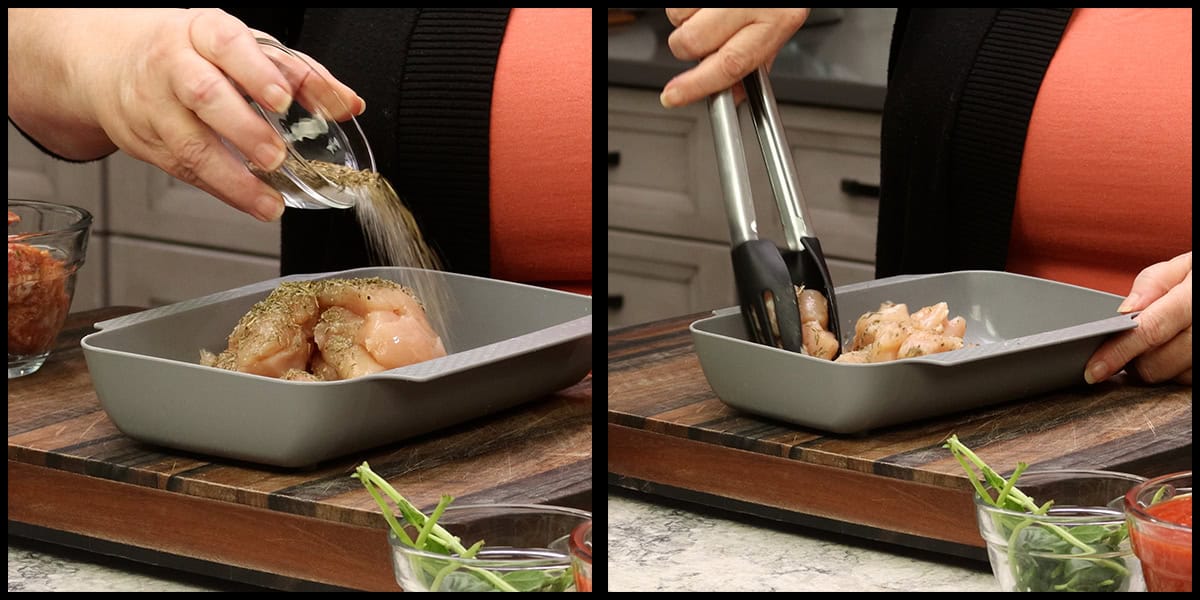
- Season the chicken with half of the seasoning blend and set aside
Step One: Sear the Sausage
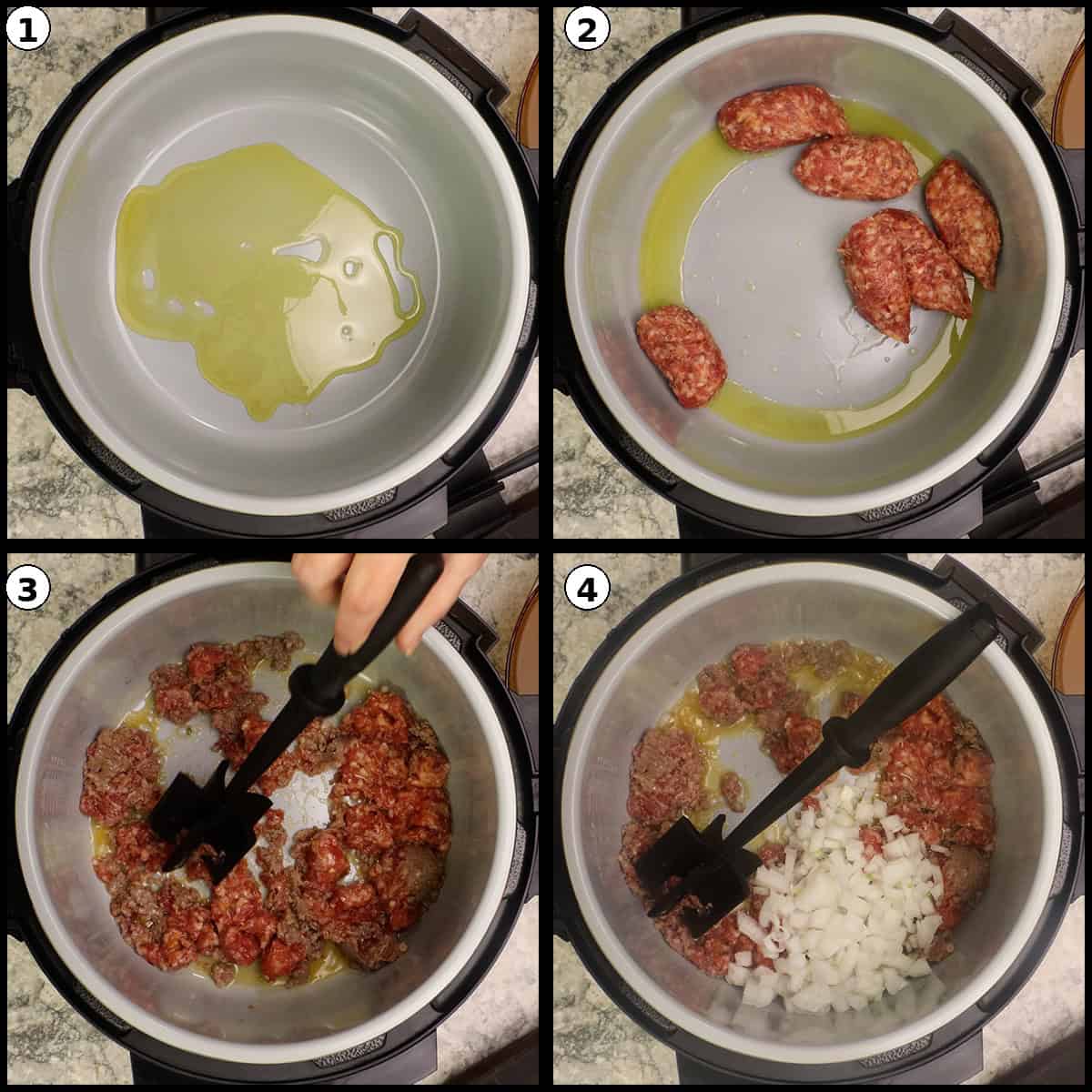
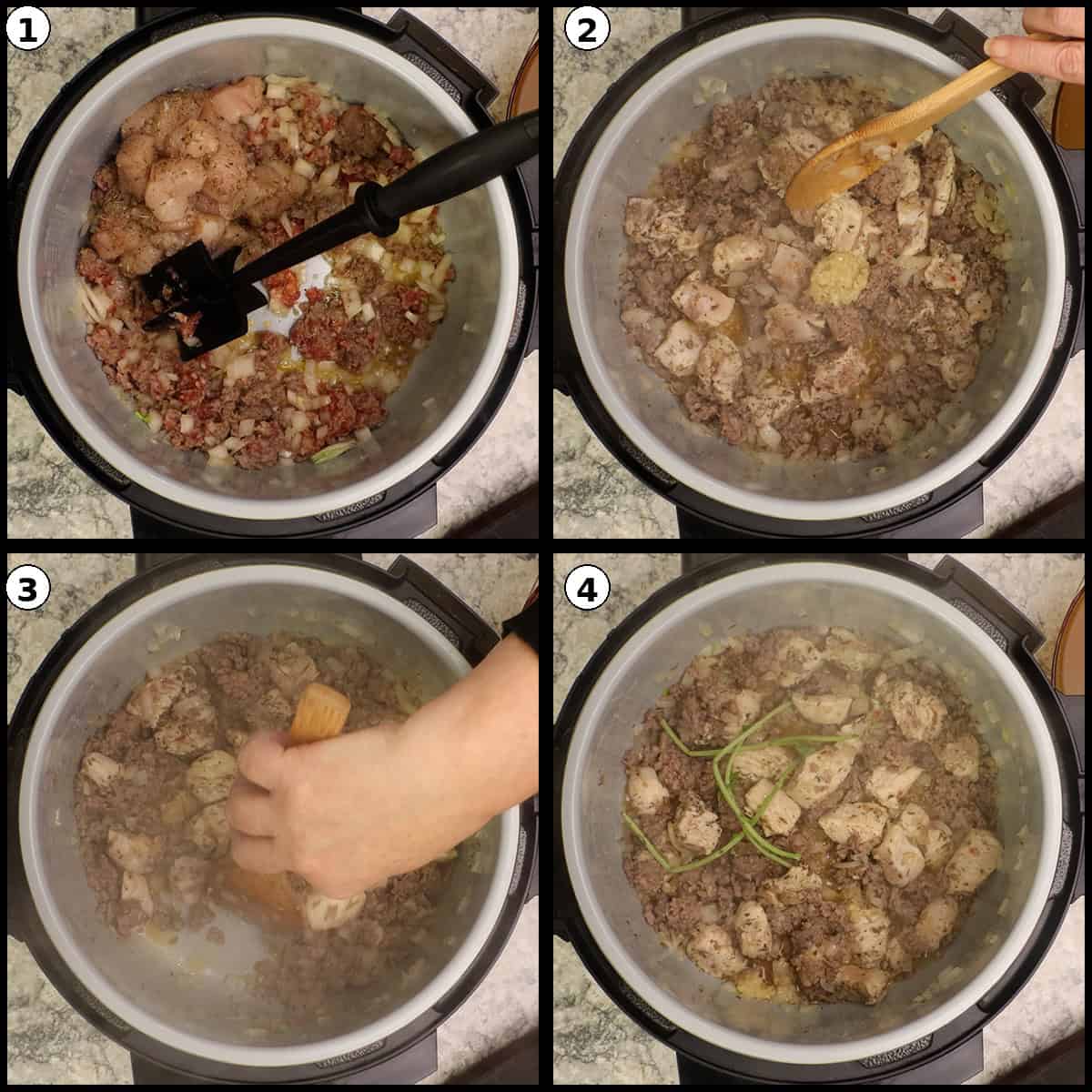
Turn your pressure cooker on and set it to Sear/Sauté on High. Add about two tablespoons of olive oil and let it heat up. Once the oil is hot, add the Italian sausage (casings removed) and start breaking it up into your desired size pieces using a mixing chop tool or wooden spoon. Keep in mind that the sausage won't break up any further once it goes under pressure, so get it to the size you want now.
Add the onions and continue to sauté on high.
Step Two: Add and Garlic
Add the seasoned chicken pieces to the pot. Stir everything together and let the chicken start to get a little color on it, about 3-4 minutes. Then add the tablespoon of minced garlic.
It's important to add the garlic after the sausage has finished browning so it doesn't burn and turn bitter. If you're using fresh basil stems for extra flavor, toss those in now as well.
Cook the sausage until you don't see any more pink, which means it's about 50% cooked through. This takes about 5-6 minutes.
Quick Tip:
Don't throw away your basil stems! They're edible and add wonderful flavor to the sauce during pressure cooking. Just remember to fish them out before you stir in the cream and cheese.
Step Three: Layer the Pasta and Sauce
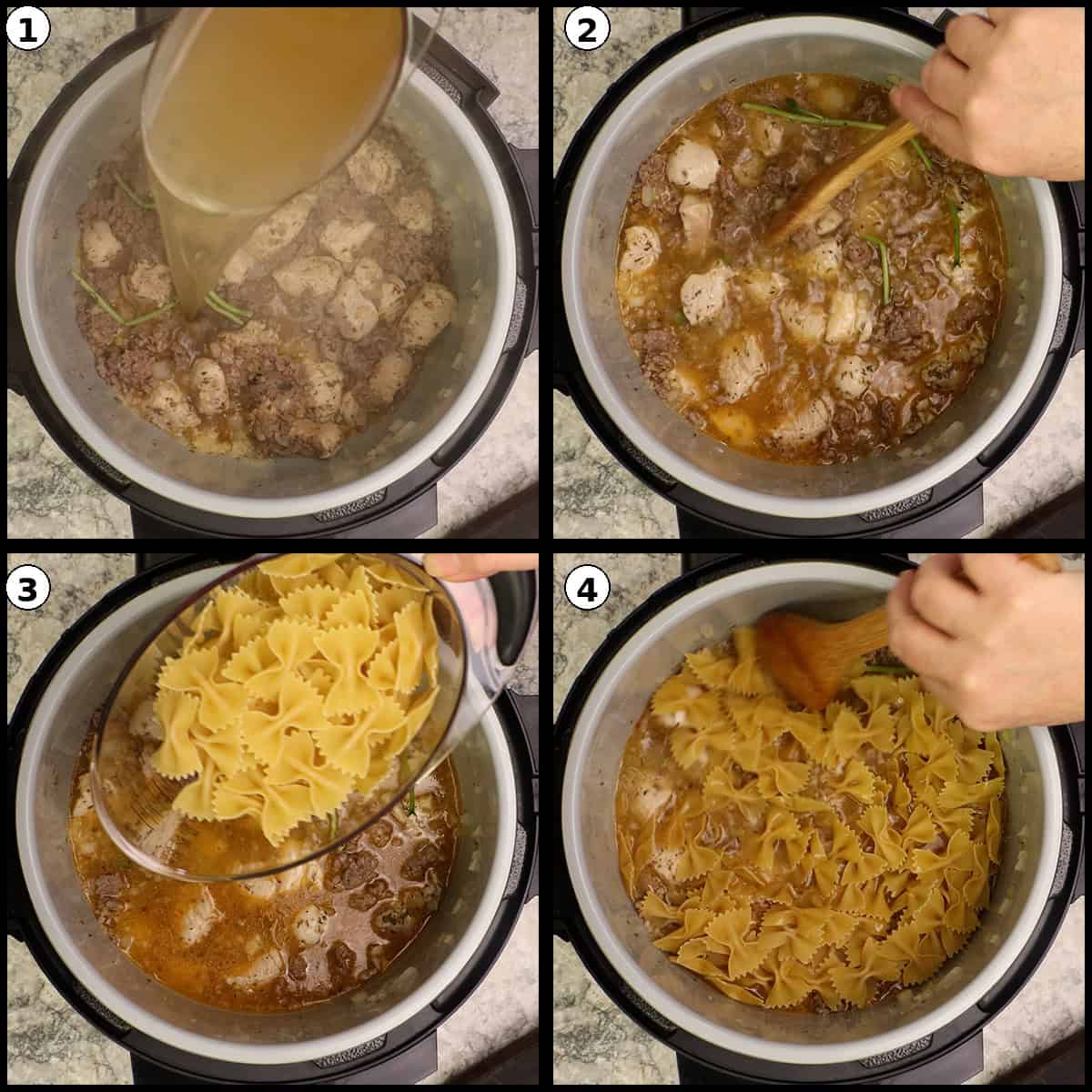
Pour in two cups of chicken stock and give the pot a good stir, scraping the bottom to make sure nothing is stuck.
This is important because anything stuck to the bottom can impede the pot from going under pressure.
Now add the eight ounces of bow tie pasta directly into the pot and push them under the liquid as much as possible.
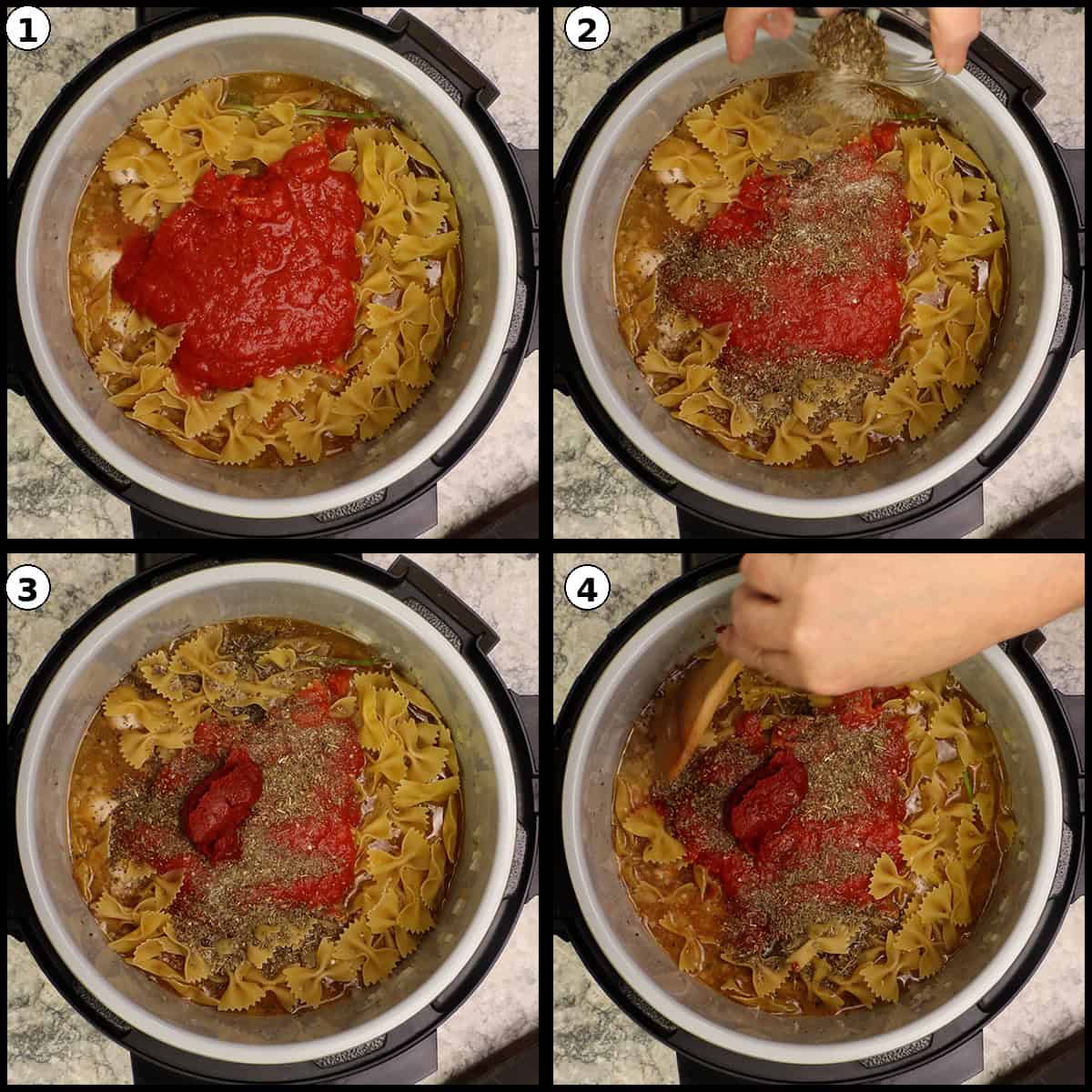
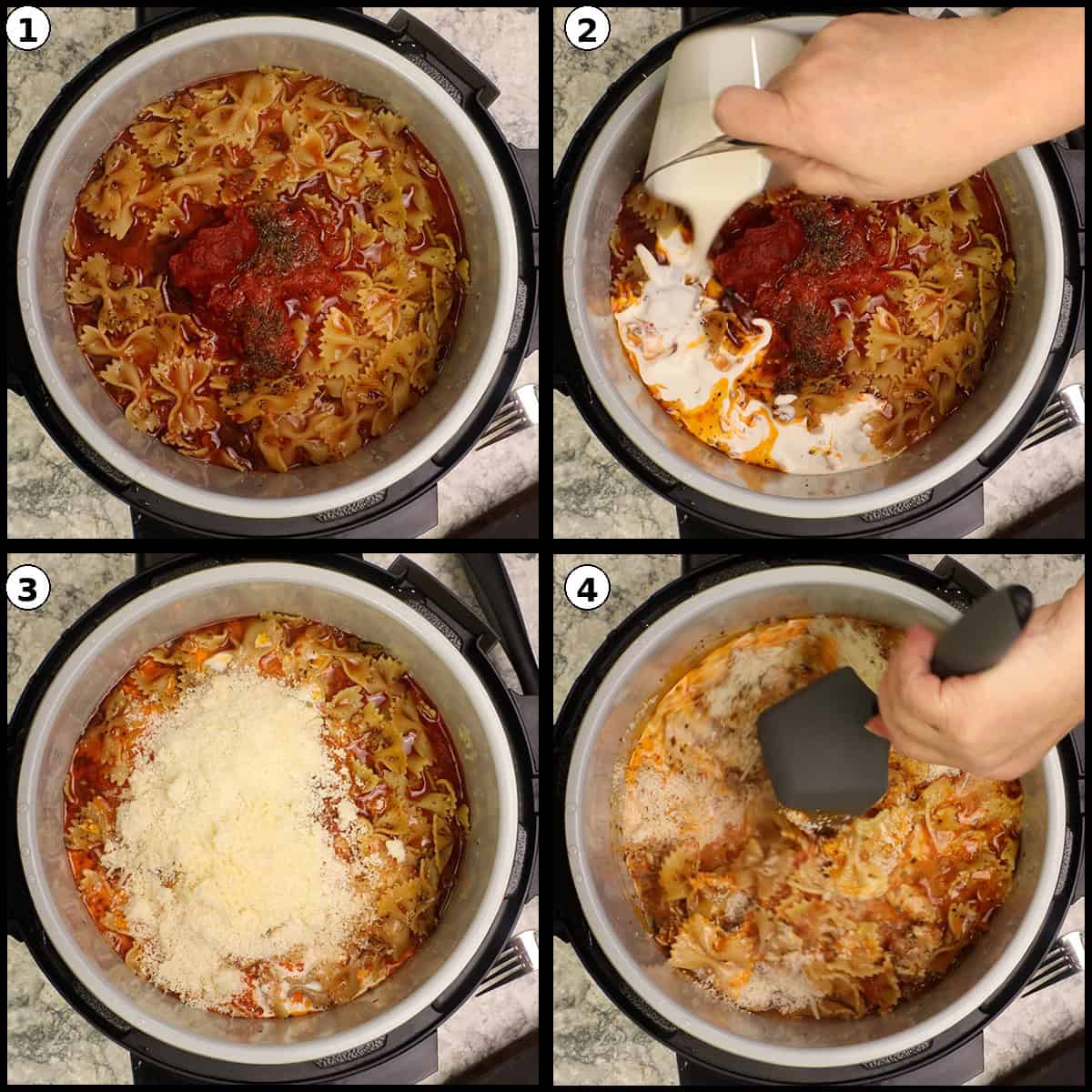
Pour the 15 ounces of crushed tomatoes right on top of the pasta. From this point on, do not stir.
Sprinkle the remaining seasoning blend over the top. Then add two tablespoons of tomato paste, letting it sit right on the surface. Gently push any pasta that's poking out down under the liquid, but do not stir.
Quick Tip:
Do NOT stir after adding the crushed tomatoes. The thicker liquid can settle to the bottom and scorch, which will prevent the pot from coming to pressure. Layer everything on top and leave it alone.
Step Four: Pressure Cook
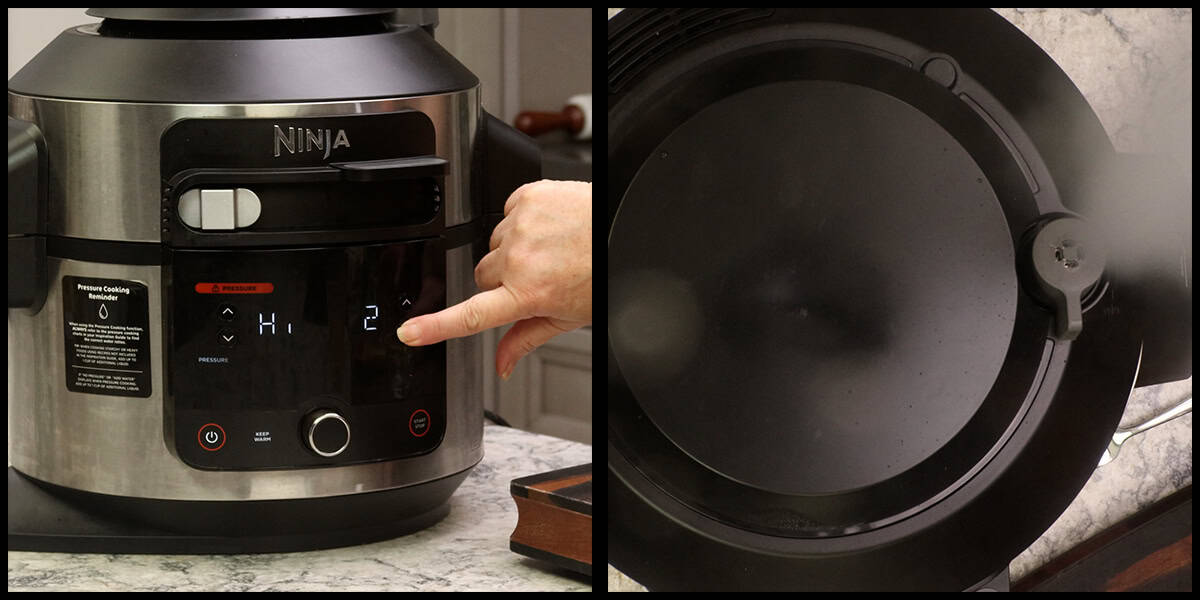
Close the lid and make sure the pressure valve is in the sealed position. Set the pressure cooker to Pressure Cook on High for 2 minutes. It will take about 8-10 minutes for the pot to come to pressure, and then it will cook for 2 minutes. When the cook time is complete, do an immediate quick release. When the pin drops, open the lid right away. You don't want the pasta to sit in there and overcook.
Quick Tip:
This timing gives you perfectly al dente pasta. If you prefer softer pasta, either increase the pressure cook time to 3 minutes, or keep the 2-minute cook time and do a 5-minute natural release instead of an immediate release.
Step Five: Finish the Parma Rosa Sauce
Remove the basil stems if you added them. Stir in half a cup of heavy whipping cream and four ounces of finely shredded parmesan cheese. If you're using pre-shredded parmesan, use about one and a half cups to account for the larger shred size. Stir everything together until the cheese is melted and the sauce is smooth and creamy. Let it sit for just a minute or two and the sauce will thicken up beautifully. If you want it a little thicker, stir in a bit more tomato paste.
Step Six: Serve
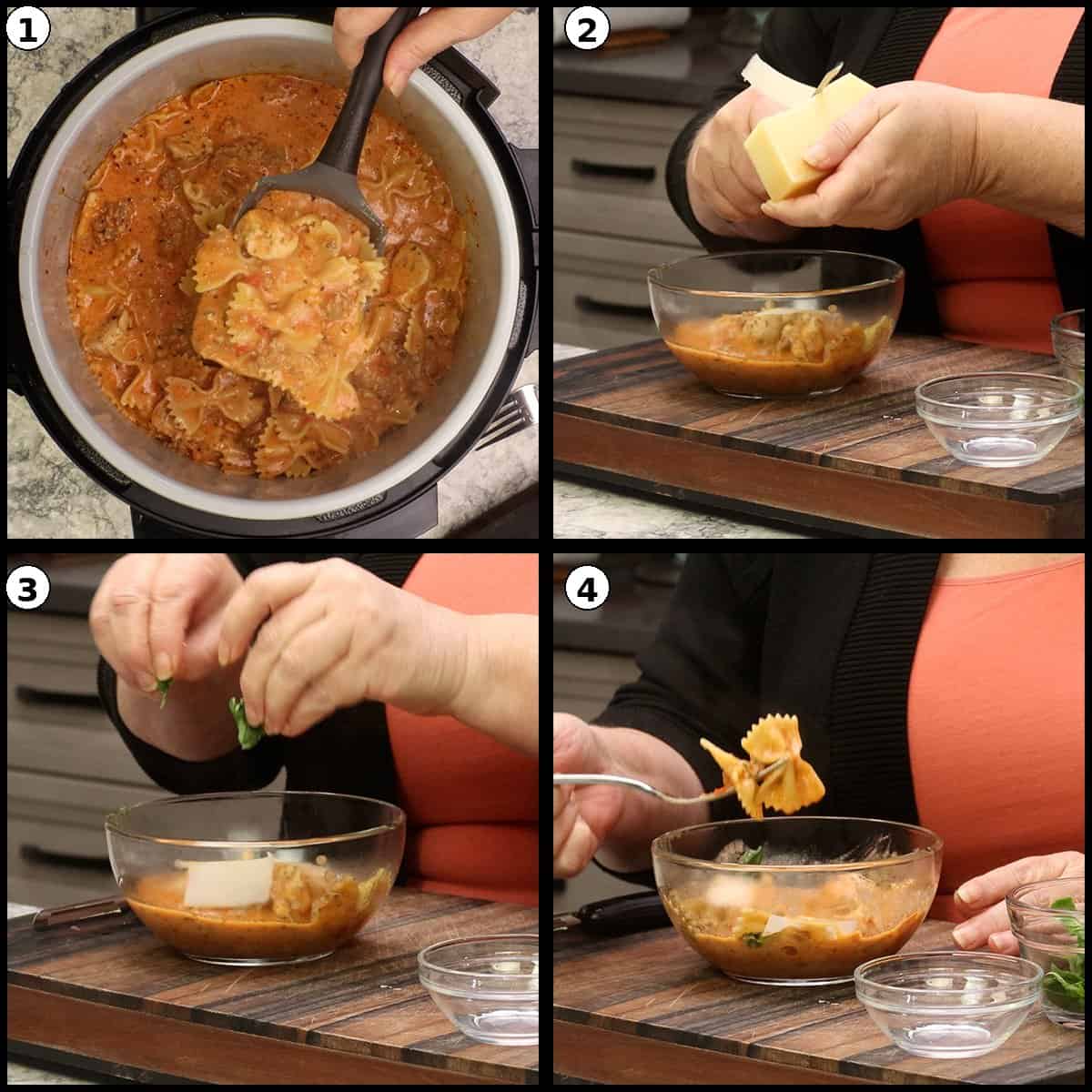
Serve the pasta topped with shaved parmesan cheese and torn fresh basil leaves. If you like a little heat, a pinch of chili flakes or red pepper flakes on top is delicious. This pairs perfectly with a side of garlic bread or some crusty rolls for soaking up that amazing sauce.
Other Variations
Different Proteins: Use leftover chicken or rotisserie chicken instead of raw chicken breast. Just add the cooked chicken after pressure cooking when you stir in the cream and cheese. You can also make this with just sausage or just chicken if you prefer.
Make It Spicy: Use hot Italian sausage instead of mild and add red pepper flakes or a pinch of chili flakes to the finished dish. A drizzle of hot honey on top is also a great way to add sweet heat.
Different Pasta Shapes: Penne pasta is a great alternative, but increase the pressure cook time to 3-4 minutes. Rotini, rigatoni, or cavatappi also work well.
Add Vegetables: Diced bell pepper or green pepper can be added with the onions. Spinach or kale can be stirred in at the end with the cream and cheese. Mushrooms sautéed with the sausage are also a delicious addition.
Stovetop Method: If you don't have a pressure cooker, you can make this in a large pan or Dutch oven on the stovetop. Cook the sausage and chicken as directed. Add the stock, bring to a boil, add the pasta, and cook pasta according to package directions. Add the crushed tomatoes and tomato paste, then finish with the cream and parmesan.
White Wine Addition: For extra depth of flavor, deglaze the pot with a splash of white wine after sautéing the garlic. Let it reduce for about 1-2 minutes before adding the chicken broth.
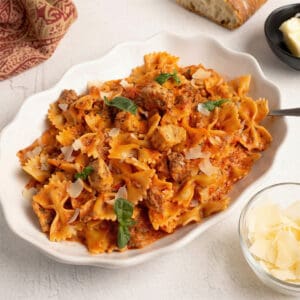
Parma Rosa Pasta with Chicken and Sausage
Equipment
- Ninja Foodi Pressure Cooker (6.5 qt or 8 qt)
- Mixing/Chopping Tool or Wooden Spoon
- Measuring Cups and Spoons
- Cheese Grater or Microplane
- Cutting Board and Sharp Knife
Ingredients
Sautéing
- 2 tablespoon olive oil or any neutral cooking oil
- 12 oz Italian mild sausage, casings removed sweet, hot, or spicy sausage can be substituted
- 12 oz boneless skinless chicken breast, cubed into 1.5-inch pieces chicken thighs can be substituted
- 1 medium sweet onion, diced about 1 cup diced
- 1 tablespoon garlic, freshly minced about 6 cloves
- fresh basil stems optional, for added flavor; remove before finishing sauce
Seasoning Blend
- 1½ teaspoon fine grain sea salt
- ½ teaspoon black pepper
- 1½ teaspoon dried basil
- 1 teaspoon dried oregano
- ¼ teaspoon dried rosemary
- 1 teaspoon dried thyme leaves
Pressure Cooking
- 2 cups chicken stock chicken broth or bone broth can be substituted
- 8 oz bow tie (farfalle) pasta about 4 cups dry; penne pasta can be substituted (increase cook time to 3-4 minutes)
- 15 oz crushed tomatoes one 15 oz can
- 2 tablespoon tomato paste add more after cooking for a thicker sauce
Finishing the Sauce
- ½ cup heavy whipping cream half-and-half can be substituted for a lighter option
- 4 oz parmesan cheese, finely shredded about 1 cup finely shredded or 1½ cups pre-shredded
- red pepper flakes optional, for heat
- fresh basil leaves, for garnish
- shaved parmesan cheese, for garnish
Would you like to save this recipe?
Instructions
- Mix the seasoning blend together: 1½ teaspoons fine grain sea salt, ½ teaspoon black pepper, 1½ teaspoons dried basil, 1 teaspoon dried oregano, ¼ teaspoon dried rosemary, and 1 teaspoon dried thyme leaves. Set aside. Remove sausage from casings. Cube chicken breast into 1.5-inch pieces. Dice onion into ¼-inch pieces. Mince garlic.1½ teaspoon fine grain sea salt, ½ teaspoon black pepper, 1½ teaspoon dried basil, 1 teaspoon dried oregano, 1 teaspoon dried thyme leaves, ¼ teaspoon dried rosemary
- Set pressure cooker to Sear/Sauté on High. Add 2 tablespoons of olive oil and let it heat up.2 tablespoon olive oil
- Add the sausage (casings removed) to the hot oil. Break it up into desired-size pieces using a mixing chop tool or wooden spoon. Cook until no pink remains (about 50% cooked through), approximately 5-6 minutes. The sausage will not break up further once under pressure, so get it to your preferred size now.12 oz Italian mild sausage, casings removed
- Add the diced onion and cubed chicken to the pot. Stir and cook for 3-4 minutes until the chicken starts to get some color.1 medium sweet onion, diced, 12 oz boneless skinless chicken breast, cubed into 1.5-inch pieces
- Add the minced garlic and stir. Add basil stems if using for extra flavor. Stir garlic for about 30 seconds until fragrant. Do not add garlic too early or it will burn.1 tablespoon garlic, freshly minced, fresh basil stems
- Pour in 2 cups of chicken stock. Stir and scrape the bottom of the pot to loosen any bits stuck to the bottom. This prevents a burn notice during pressure cooking.2 cups chicken stock
- Add 8 ounces of bow tie pasta to the pot. DO NOT STIR from this point forward. Pour 15 ounces of crushed tomatoes on top of the pasta. Sprinkle the remaining seasoning blend over the top. Add 2 tablespoons of tomato paste on the surface. Gently push any pasta poking out below the liquid, but do not stir.8 oz bow tie (farfalle) pasta, 15 oz crushed tomatoes, 2 tablespoon tomato paste
- Close the lid and set the pressure valve to Sealed. Set to Pressure Cook on High for 2 minutes. The pot will take 8-10 minutes to come to pressure before the 2-minute cook time begins.
- When cook time is complete, do an immediate Quick Release. When the pin drops, open the lid right away. Do not let the pasta sit or it will overcook. For softer pasta, either increase pressure cook time to 3 minutes, or do a 5-minute natural release with the 2-minute cook time.
- Remove basil stems if used. Stir in ½ cup of heavy whipping cream and 4 ounces of finely shredded parmesan cheese (about 1 cup finely shredded, or 1½ cups pre-shredded). Stir until cheese is melted and sauce is smooth and creamy. Let sit for 1-2 minutes to thicken. Add more tomato paste if a thicker sauce is desired.½ cup heavy whipping cream, 4 oz parmesan cheese, finely shredded
- Serve topped with shaved parmesan cheese, torn fresh basil leaves, and optional red pepper flakes for heat. Pairs perfectly with garlic bread or crusty bread.shaved parmesan cheese, for garnish, fresh basil leaves, for garnish
Notes
• DO NOT stir after adding crushed tomatoes. The thicker liquid can settle to the bottom and scorch, preventing the pot from coming to pressure.
• Scrape the bottom of the pot after adding chicken stock to prevent a burn notice. SAUCE TIPS
• The sauce will thicken as it sits. For an even thicker sauce, stir in a little more tomato paste after cooking. STORAGE
• Refrigerator: Store in an airtight container for up to 4 days. The sauce will thicken as it sits.
• Freezer: Cool completely, then store in airtight containers or vacuum-sealed bags for up to 2 months. Thaw overnight in the refrigerator before reheating.
• Reheating: Add a splash of chicken broth or cream when reheating on the stovetop over medium heat to restore the creamy sauce consistency. NUTRITIONAL DISCLAIMER
Nutritional information provided is an estimate based on typical ingredient values and standard portion sizes. Actual nutritional content may vary significantly depending on specific brands used, ingredient substitutions, preparation methods, portion sizes, and individual cooking techniques. For precise nutritional information tailored to your specific ingredients and preparation, please consult with a registered dietitian or use laboratory analysis. This information should not be used for medical nutrition therapy or to manage medical conditions without professional guidance.
Nutrition
Storage & Reheating Instructions
How to Store Leftover Parma Rosa Pasta
This pasta is so good that you may not have leftovers, but if you do, here's how to store them properly.
Refrigeration
Store leftover Parma Rosa Pasta in an airtight container in the refrigerator for up to 3-4 days. The sauce may thicken as it sits, which is perfectly normal. You'll loosen it up when reheating and can use a little extra cream if needed.
Freezer
Before freezing, it is very important that the pasta is completely cold, so I recommend refrigerating the leftovers overnight before transferring them to the freezer.
If the food is warm when packaged for freezing, steam can be produced inside the container or freezer bag, resulting in ice crystals forming.
Air is another issue when freezing food, so make sure you choose a container that is the proper size for the amount of leftovers. You don't want a large container for a small amount of leftover pasta or there will be too much air trapped in the container which can lead to decreased quality.
My preferred method for freezing is using a vacuum sealer which eliminates this issue.
Frozen Parma Rosa Pasta will keep for up to 2 months. Note that the pasta texture may soften slightly after freezing and reheating, but the flavor will still be delicious.
Quick Tip
Add a splash of chicken broth or cream when reheating to bring the sauce back to its original creamy consistency. The pasta absorbs moisture as it sits, so a little extra liquid goes a long way.
How to Reheat Parma Rosa Pasta
Stovetop (Recommended)
Place the leftover pasta in a saucepan over medium heat. Add a splash of chicken broth or heavy cream to loosen the sauce. Stir occasionally until heated through, about 5-6 minutes. This method gives you the best control over the sauce consistency.
Microwave
Place a serving in a microwave-safe dish, add a tablespoon or two of chicken broth or cream, cover loosely, and microwave in 1-minute intervals, stirring between each, until heated through. This works well for quick dinners on busy nights.
Frequently Asked Questions
Yes! Bow tie pasta works beautifully in this dish, but penne pasta is a great alternative. If you use penne, increase the pressure cook time to 3-4 minutes. Other short pasta shapes like rotini, rigatoni, or cavatappi will also work well. Just stick with short pasta shapes for the best results in the pressure cooker.
Absolutely! Cook the sausage and chicken in a large pan or Dutch oven as directed. Add the stock, bring to a boil, add the pasta, and cook pasta according to package directions. Stir in the crushed tomatoes and tomato paste, then finish with the heavy cream and parmesan cheese.
Stirring after adding the crushed tomatoes can cause the thicker liquid to settle to the bottom of the pot, which can scorch during pressure cooking. This scorching impedes the steam needed for the pot to come to pressure, which means your recipe won't cook properly. Just layer everything on top and leave it alone.
Yes! If using leftover chicken or rotisserie chicken, skip adding it during the sauté step. Instead, shred or cube the cooked chicken and stir it in after pressure cooking, along with the heavy cream and parmesan cheese. It will heat through in the hot sauce.
Absolutely! Use hot Italian sausage or spicy sausage instead of mild. You can also add red pepper flakes or a pinch of chili flakes when you stir in the cream and cheese. Start with a small amount and adjust to your taste.
This recipe works in both a 6.5-quart and an 8-quart pressure cooker. I used the Ninja Foodi for this recipe, but any electric pressure cooker will work with the same timing and ingredients.
More One-Pot Pressure Cooker Recipes
If you love how easy this Parma Rosa Pasta comes together in the pressure cooker, you're going to love these other one-pot pressure cooker recipes from The Salted Pepper.


About the Recipe Author, Louise Long
Louise is a full-time recipe creator and food blogger @ The Salted Pepper. She has over 30 years of experience with cooking and recipe development. She owned a restaurant for several years and was a full-time RN until retiring to blog full-time.

She published her first cookbook in the Fall of 2018 and is very interested in writing several more.
Louise is also the creator of an online Ninja Foodi Pressure Cooking Course with over 100 instructional step-by-step videos. People absolutely rave about the course and all the value they have received from it.
Louise has several very active Facebook groups that help people with the basics of cooking and learning more about the appliances they love.
Ninja Foodi Pressure Cooker & Air Crisper 101
Ninja Woodfire Outdoor Grill & Smoker
Louise is also a YouTube creator and you can find most of her recipes in video format on The Salted Pepper YouTube channel.
She is very responsive to messages and eager to help in any way she can. Get more Information about Louise & contact information
I WOULD LOVE TO SEE WHAT YOU ARE COOKING UP IN YOUR KITCHEN! TAG ME @THESALTEDPEPPER ON YOUR FAVORITE SOCIAL MEDIA PLATFORM WHEN YOU MAKE A DISH!
BE SURE TO FOLLOW THE SALTED PEPPER RIGHT HERE ⇓⇓⇓⇓⇓
Leave a Reply